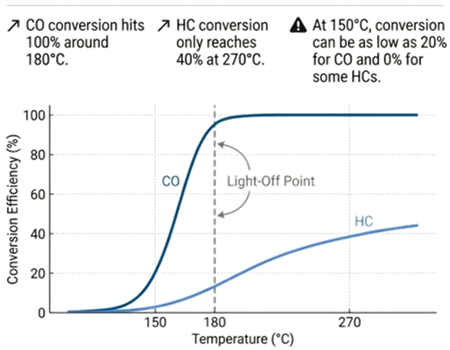
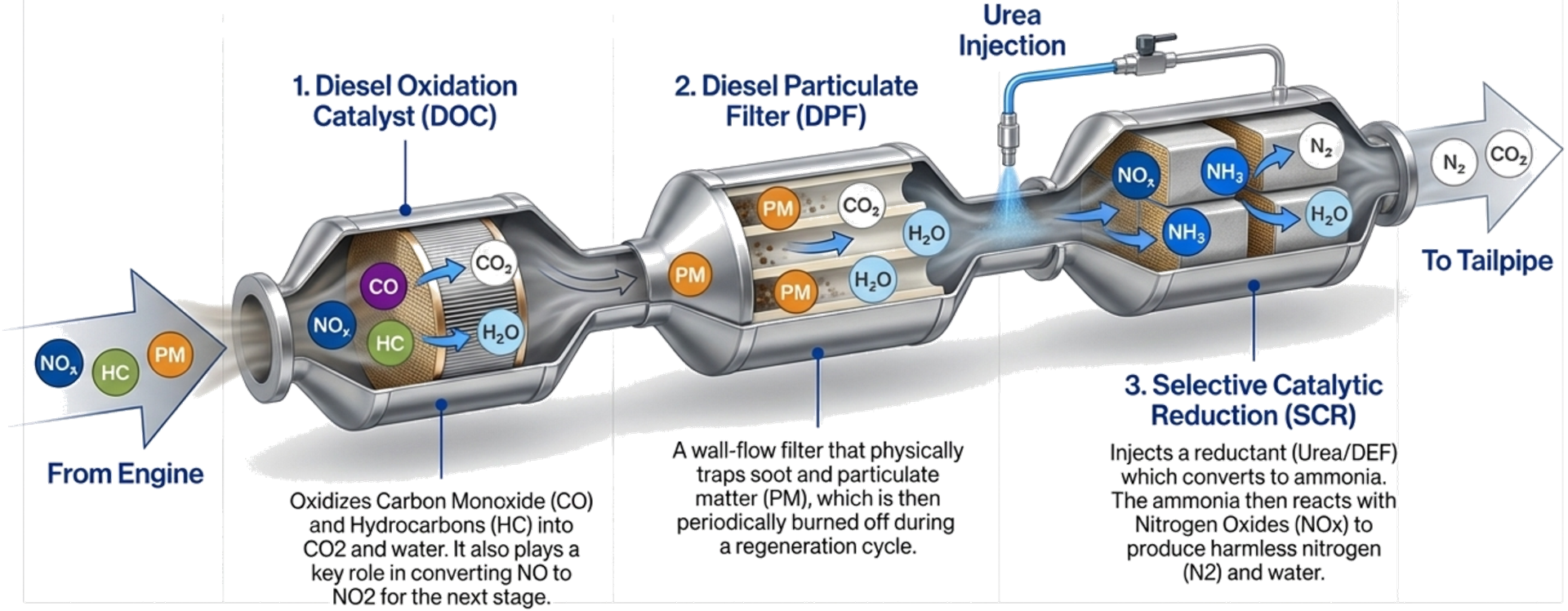
- Function: Oxidizes CO, HC, and NO into CO2, H2O, and NO2. The NO2 is crucial for passive DPF regeneration.
- Thermal Challenge: Requires reaching a "light-off" temperature to become active.
Diesel Oxidation Catalyst (DOC)
The industry standard for emission control is a sophisticated series of physical components that chemically and physically treat exhaust gas.
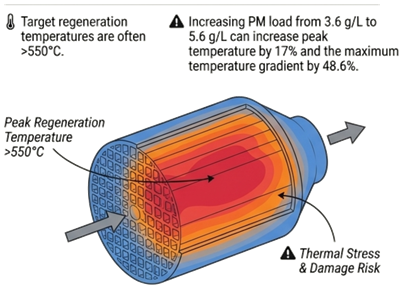
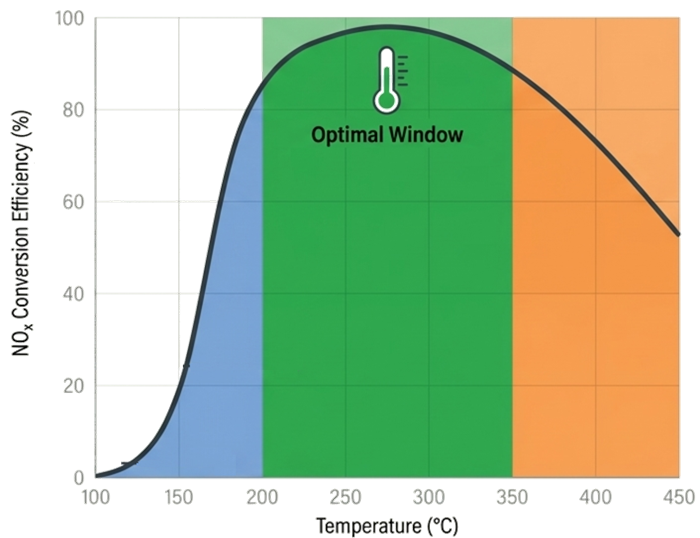
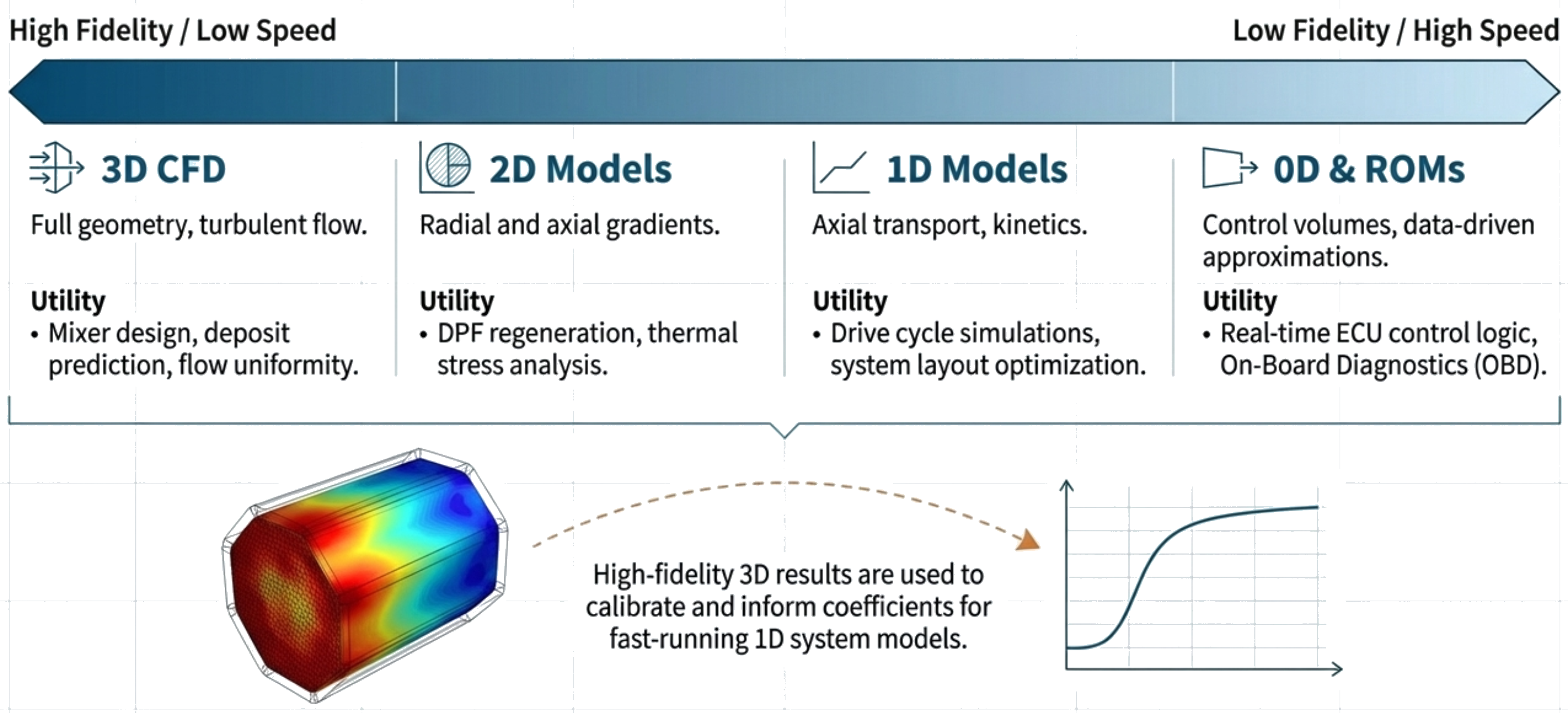
We provide our customers with comprehensive simulation services for exhaust aftertreatment system components—including DOC, DPF, and SCR—spanning the entire fidelity spectrum from 0D surrogate models for rapid system-level calibration and optimization, through intermediate reduced-order approaches, to full 3D high-fidelity simulations that capture complex geometries and multi-physics interactions, enabling engineers to strategically balance accuracy and computational speed at every stage of development.
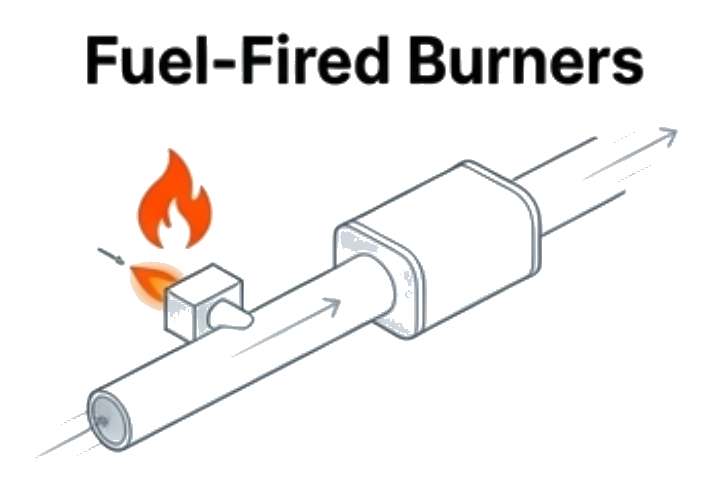
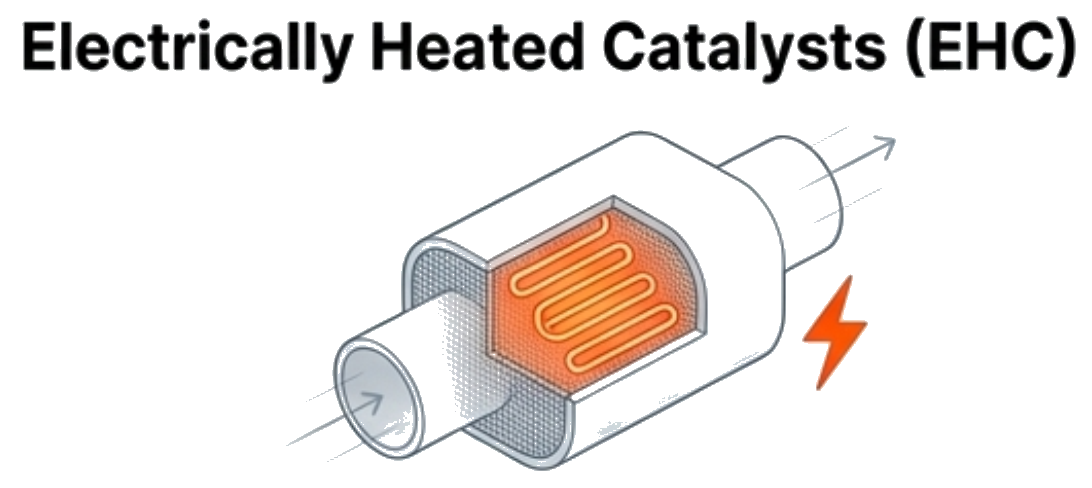
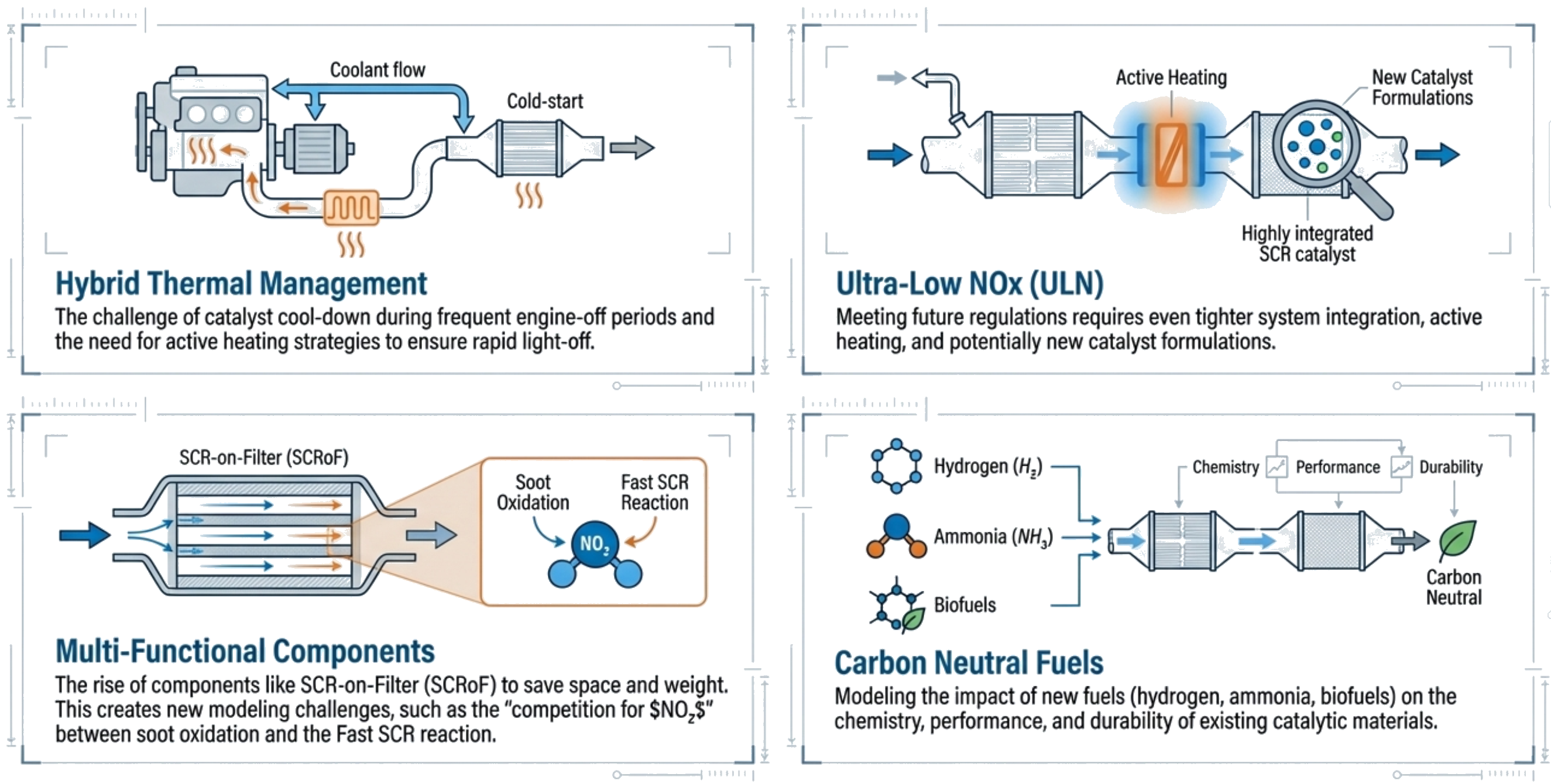
Using external energy sources—fuel or electricity—to directly heat the exhaust stream or catalysts, bypassing engine-based warm-up limitations.
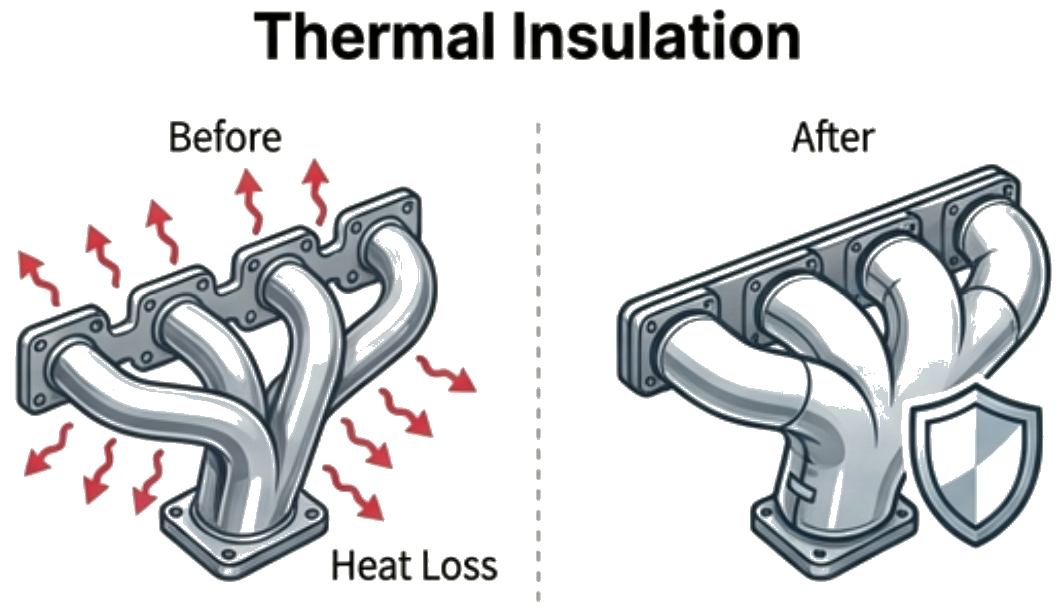
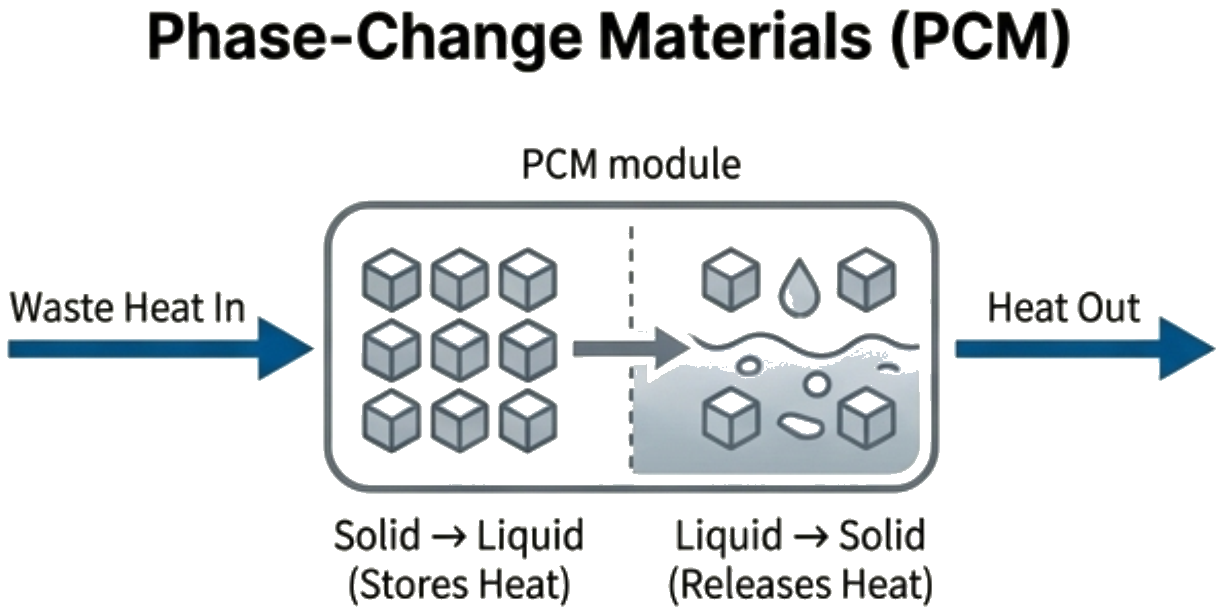
Reducing heat loss to the environment and storing waste heat from high-load operation for later use during cold-start or low-load phases.
Developing new catalyst formulations that exhibit high activity at lower temperatures, reducing the amount of thermal energy required to reach light-off.
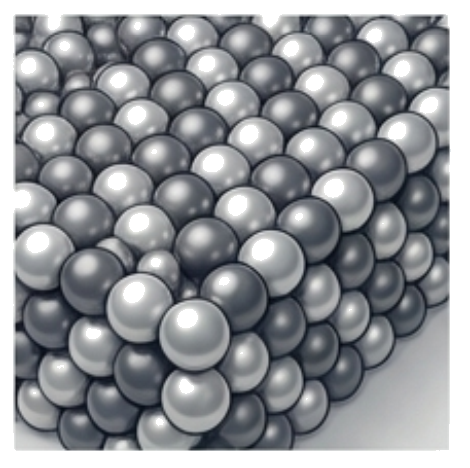
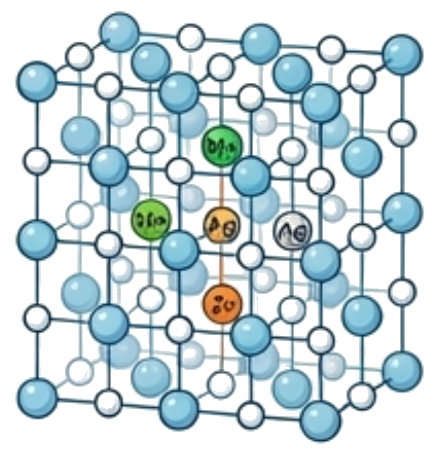
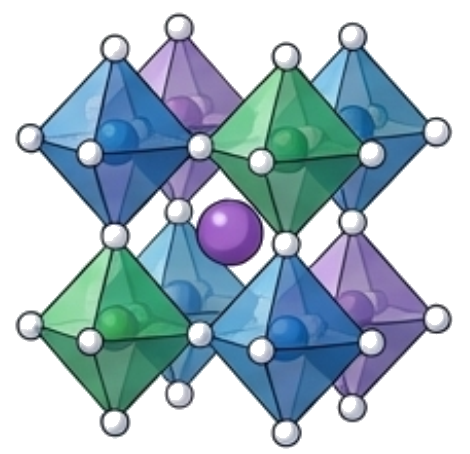
As the industry advances toward near-zero emissions, innovative technologies such as hybrid system thermal management, active heating, and phase change materials are reshaping the landscape—and we provide the simulation expertise to validate them, helping customers optimize performance and accelerate development on the road to sustainable mobility.
We provide comprehensive material selection support for emission control systems, including advanced substrate materials such as cordierite, silicon carbide (SiC), and aluminum titanate (AT) tailored for specific thermal and chemical requirements. Our expertise extends to catalytic formulation development, optimizing the combination of Platinum Group Metals (PGMs), zeolites, and mixed oxides to achieve targeted light-off temperatures, NOx conversion efficiency, and resistance to sulfur poisoning, ensuring optimal performance across diverse duty cycles.
Our concept analysis focuses on designing integrated aftertreatment architectures to meet evolving regulatory standards like China 6B and Euro 7. This includes the strategic layout and sizing of components (DOC, DPF, SCR, ASC) and the evaluation of advanced technologies such as dual-SCR systems, electrically heated catalysts (EHC), and passive/active regeneration strategies. We employ system-level modeling to balance performance metrics—including cold-start emissions, fuel penalty, and packaging constraints—to deliver a cost-optimized and compliant system concept.
We conduct detailed component optimization using multi-physics simulations and empirical data. This encompasses structural optimization of substrate wall thickness and cell density for strength and backpressure trade-offs, precise control of porosity and pore size distribution in filter substrates for soot loading and regeneration behavior, and advanced catalyst coating techniques (e.g., zone coating, multilayer coating) to enhance activity and durability while minimizing PGM usage.
Our flow optimization services target the improvement of hydrodynamic performance within compact aftertreatment systems. Using Computational Fluid Dynamics (CFD), we analyze and redesign inlet cones, mixers, and diffusers to achieve superior flow distribution (index) across the monolith face. This minimizes thermal gradients, improves reactant mixing (e.g., urea-to-NH3), reduces pressure drop, and enhances overall conversion efficiency and component longevity.
We specialize in the integration of aftertreatment systems with vehicle Engine Control Units (ECUs) and domain controllers. Our support encompasses the development and calibration of control logic for critical functions: managing urea dosing strategies (e.g., model-based NOx prediction), controlling active regenerations for DPFs, implementing thermal management protocols for SCR efficiency, and ensuring robust communication via CAN networks for seamless system operation.
We perform in-depth robustness analysis to predict and mitigate failure modes. This includes thermo-mechanical fatigue analysis using Finite Element Analysis (FEA) to assess stress concentrations from thermal gradients and mounting constraints, as well as chemical deactivation studies modeling catalyst sintering, hydrocarbon poisoning, and ash aging effects. These analyses validate design margins and inform accelerated aging test cycles.
We leverage model-based development and Hardware-in-the-Loop (HIL) simulation for On-Board Diagnostics (OBD). Our virtual testing environment allows for the analysis, refinement, and verification of OBD monitoring strategies—such as catalyst efficiency monitors, sensor rationality checks, and component functional tests—long before physical prototypes are available. This significantly reduces development time and ensures robust OBD compliance with regulatory requirements.
