Why Use Reduced Order Modeling?
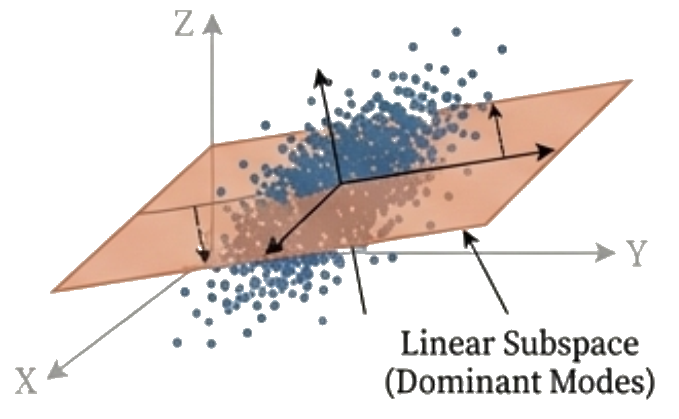
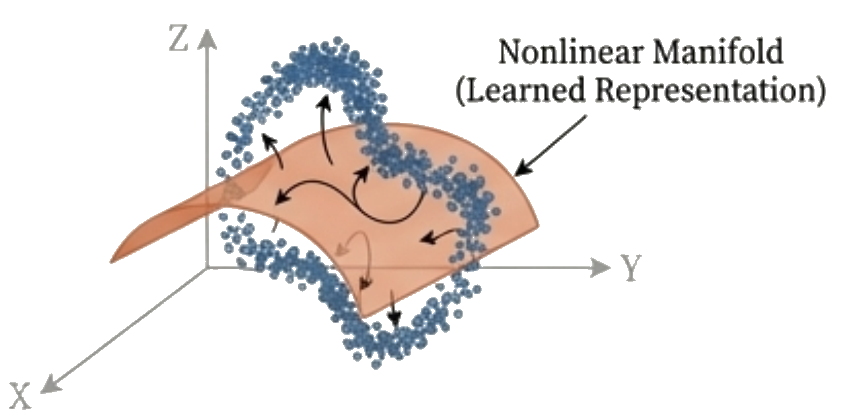
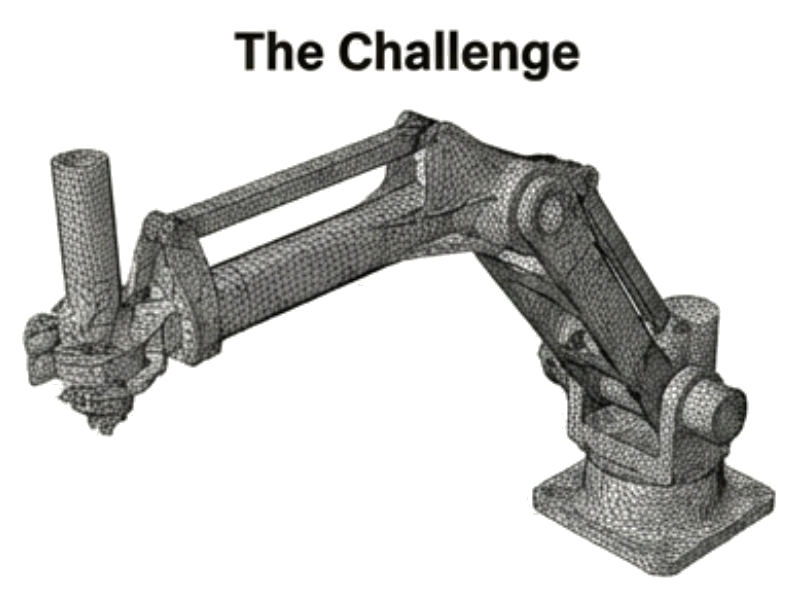
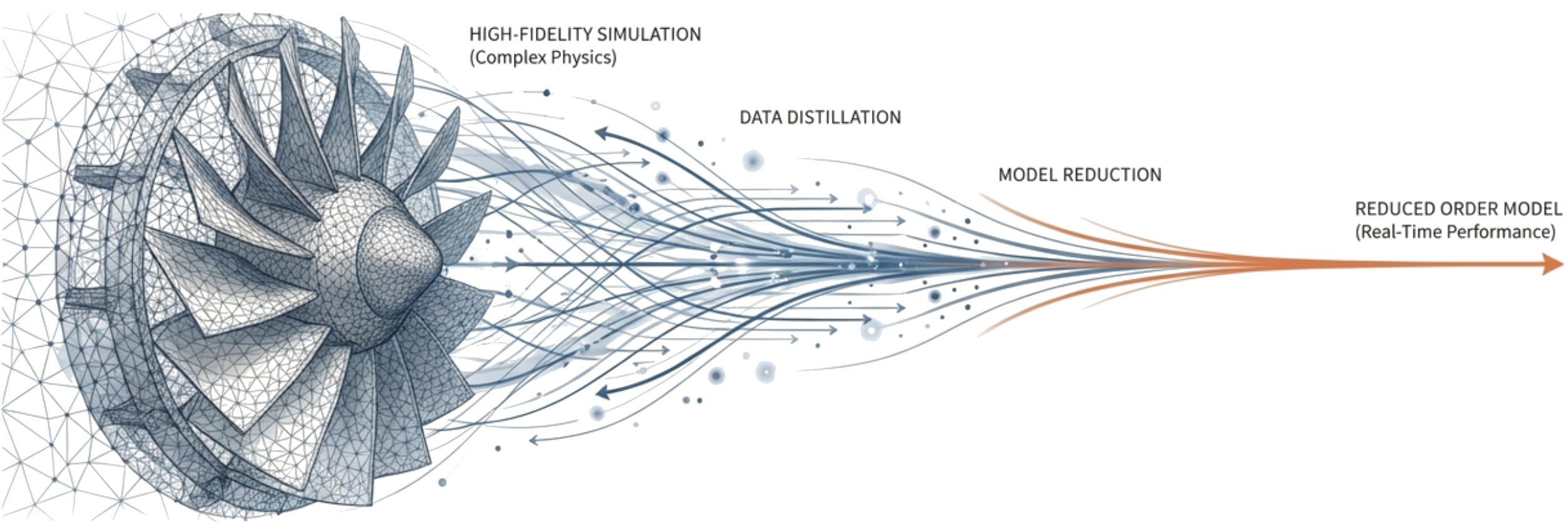
High-fidelity third-party FEA/CAE/CFD models can take hours or even days to simulate. Performing hardware-in-the-loop testing, control design, and system-level analysis on such models can present significant computational challenges or sometimes be infeasible. Also, linearizing complex models can result in high-fidelity models containing states that do not contribute to the dynamics of interest in your application.
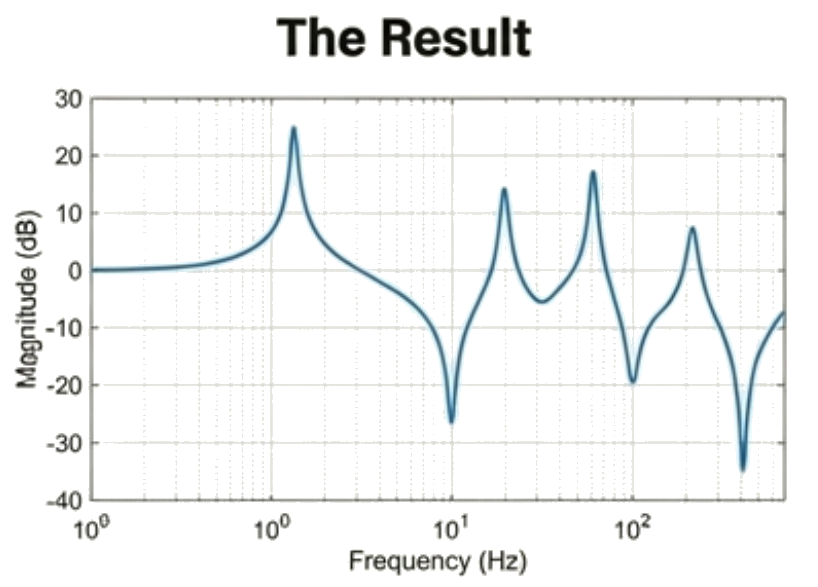
To address these challenges, you can replace high-fidelity component-level models with reduced order models that trade off accuracy for reduced computational complexity. The accuracy reduction is based on accuracy tolerances, frequency ranges, and other characteristics important for your application. Reduced order modeling is also useful for creating virtual sensors to estimate or predict signals of interest when measuring those signals using a physical sensor is impractical or infeasible.
You can also use reduced order modeling to create digital twins to make it more computationally efficient and suitable for periodic updates to represent the current state of the operational asset.